
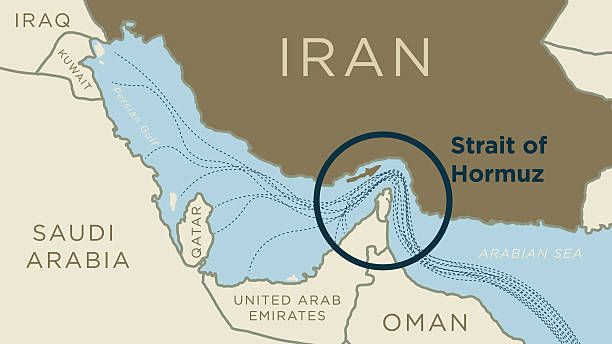

The Strait of Hormuz global oil supply crisis has become a major topic of discussion among energy analysts, governments, and financial markets. This narrow waterway, located between Iran and Oman, plays a vital role in transporting oil from the Persian Gulf to the rest of the world. Because so much of the global oil supply passes through this route, any disruption can quickly lead to a worldwide energy crisis.
Over the years, tensions in the region have repeatedly raised concerns about the safety of oil shipments. Political disputes, military activity, and shipping incidents have all contributed to fears that the strait could become a major choke point in global energy supply.
Understanding why the Strait of Hormuz is so important helps explain why even small disruptions can have major consequences for the global economy.
The Strategic Importance of the Strait of Hormuz
The Strait of Hormuz is widely considered the most important oil transit route in the world. It connects the Persian Gulf to the Gulf of Oman and eventually the Arabian Sea, allowing oil tankers to reach international markets.
Major oil-producing countries such as Saudi Arabia, Iraq, Kuwait, Qatar, and the United Arab Emirates rely heavily on this route to export their energy resources. Millions of barrels of crude oil pass through the strait every single day.
Because of this enormous volume of trade, the Strait of Hormuz is often described as the world’s most critical energy chokepoint. If the passage were blocked or restricted, global oil supply chains could face immediate disruption.
This is why discussions about a Strait of Hormuz global oil supply crisis attract so much international attention.
How a Crisis Could Disrupt Global Energy Markets
A disruption in the Strait of Hormuz would have immediate effects on global oil markets. Oil prices are highly sensitive to supply concerns, and even rumors of instability in the region can cause sharp price fluctuations.
If shipping traffic were interrupted, oil exporters in the Persian Gulf would struggle to deliver crude oil to global buyers. Countries that rely heavily on imported energy—especially in Asia and Europe—could experience supply shortages.
In such a situation, energy companies might attempt to use alternative transport routes, such as pipelines that bypass the strait. However, these alternatives often lack the capacity to replace the massive volume of oil normally shipped through the waterway.
This makes the potential Strait of Hormuz global oil supply crisis a serious concern for the international community.
Geopolitical Tensions in the Region
One of the main factors contributing to concerns about a global oil supply crisis is the complex geopolitical environment surrounding the Strait of Hormuz.
The region has long been a focal point of political rivalries, economic sanctions, and military activity. Iran, which borders the northern side of the strait, has repeatedly emphasized its strategic position in the area.
During periods of heightened tensions, Iranian officials have warned that they could restrict shipping through the strait if their national security is threatened. While such statements are often part of political messaging, they still raise concerns among global energy markets.
These geopolitical tensions play a major role in shaping the ongoing discussion about the Strait of Hormuz global oil supply crisis.
Impact on Oil Prices Worldwide
Oil prices are closely tied to events in the Strait of Hormuz. Whenever tensions rise, traders and investors begin preparing for possible supply disruptions.
If a crisis were to occur, oil prices could rise dramatically within a short period. Higher oil prices would affect transportation, manufacturing, and consumer costs across the world.
For many countries, energy imports are a major part of their economic system. A sudden increase in oil prices could slow economic growth and increase inflation.
This is why financial markets closely monitor developments related to the Strait of Hormuz.
The Role of International Naval Forces
To maintain stability in the region, several countries maintain naval forces near the Strait of Hormuz. These naval operations are designed to ensure freedom of navigation and protect commercial shipping.
Naval patrols help monitor vessel traffic, respond to security threats, and escort ships during periods of heightened tension. International cooperation between navies plays a key role in maintaining maritime security in the region.
These security efforts are intended to reduce the risk of incidents that could trigger a global oil supply crisis.
Efforts to Reduce Dependence on the Strait
Because of the risks associated with the Strait of Hormuz, some countries have been working to develop alternative energy transport routes.
For example, pipelines have been built that allow oil to be transported from the Persian Gulf to ports outside the strait. These routes provide some level of protection against potential disruptions.
However, these alternative systems still cannot fully replace the massive amount of oil that normally passes through the strait each day. As a result, the world remains heavily dependent on this narrow shipping route.
This dependence makes the possibility of a Strait of Hormuz global oil supply crisis a continuing concern.
Economic Consequences of a Supply Disruption
If oil shipments were significantly disrupted in the Strait of Hormuz, the consequences could extend far beyond the energy sector.
Higher oil prices would increase transportation costs for goods and services. Airlines, shipping companies, and manufacturers would face rising expenses.
Consumers would also feel the impact through higher fuel prices and increased costs for everyday products.
In extreme cases, a prolonged disruption could trigger a global economic slowdown.
Environmental and Shipping Risks
Apart from economic concerns, disruptions in the Strait of Hormuz also carry environmental risks. The strait is one of the busiest shipping lanes in the world, and heavy tanker traffic increases the possibility of accidents.
Any major incident involving oil tankers could result in oil spills that harm marine ecosystems and coastal communities.
Because of these risks, maintaining safety and stability in the region is important not only for the global economy but also for environmental protection.
The Future of the Strait of Hormuz
Despite ongoing tensions, the Strait of Hormuz will remain a central hub for global oil transportation for many years to come. The world’s growing demand for energy ensures that this waterway will continue to play a crucial role in international trade.
At the same time, governments and energy companies are investing in new technologies and infrastructure to reduce vulnerabilities in global energy supply chains.
While the possibility of a Strait of Hormuz global oil supply crisis cannot be completely eliminated, international cooperation and diplomatic engagement can help reduce the risk of major disruptions.
Conclusion
The Strait of Hormuz sits at the center of the global energy system. Every day, millions of barrels of oil travel through this narrow channel, connecting the energy-rich Persian Gulf with markets around the world.
Because of its strategic importance, any instability in the region immediately raises concerns about a global oil supply crisis. From geopolitical tensions to shipping security risks, several factors contribute to the vulnerability of this critical waterway.
As long as the world depends on oil exports from the Middle East, the Strait of Hormuz will remain one of the most closely watched and strategically important locations on the planet.

