
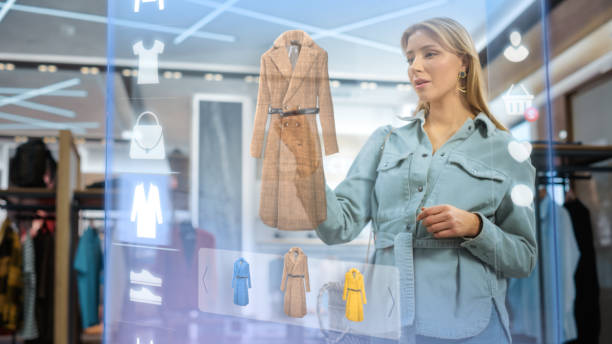

The global retail and fashion industry is undergoing significant transformation in 2026. Rapid technological innovation, changing consumer expectations, and growing awareness of sustainability are reshaping how brands design, produce, and sell products.
Retailers and fashion companies are now adapting to a marketplace where digital experiences, ethical production practices, and personalized shopping journeys play crucial roles in attracting modern consumers.
Understanding the latest retail and fashion industry trends is essential for businesses aiming to stay competitive in a fast-changing global market.
The Rise of Digital Retail
One of the most significant trends in the retail industry is the continued expansion of digital commerce.
Consumers are increasingly shopping online, using smartphones and digital platforms to browse products, compare prices, and make purchases.
Retail brands are investing heavily in user-friendly websites, mobile applications, and seamless checkout experiences.
E-commerce platforms have also enabled smaller fashion brands to reach global audiences without relying solely on physical stores.
Artificial Intelligence in Retail
Artificial intelligence is becoming a powerful tool in the retail sector.
Retailers are using AI technology to analyze customer behavior, predict shopping trends, and personalize product recommendations.
For example, AI systems can analyze previous purchases and browsing patterns to suggest items that customers are more likely to buy.
This level of personalization helps improve customer satisfaction and increase sales.
Sustainability in Fashion
Sustainability has become one of the most influential forces in the fashion industry.
Consumers are now more conscious of environmental and ethical issues associated with clothing production. As a result, many fashion brands are focusing on sustainable materials, ethical labor practices, and environmentally friendly manufacturing processes.
Eco-friendly fabrics, recycled materials, and circular fashion models are gaining popularity.
Brands that demonstrate transparency and responsible production practices are increasingly earning consumer trust.
The Influence of Social Media
Social media platforms have become major drivers of fashion trends.
Influencers, digital creators, and online communities play a powerful role in shaping consumer preferences and promoting new products.
Fashion brands often collaborate with influencers to reach targeted audiences and create authentic marketing campaigns.
Social media also allows companies to receive immediate feedback from customers and adapt quickly to changing trends.
Changing Consumer Expectations
Modern consumers expect more than just products. They want experiences, personalization, and meaningful brand values.
Retailers are responding by creating immersive shopping environments, offering personalized services, and emphasizing brand storytelling.
Consumers also value convenience, fast shipping, and flexible return policies.
Businesses that prioritize customer experience are more likely to build long-term brand loyalty.
Future Outlook for the Retail and Fashion Industry
Looking ahead, the retail and fashion industry will likely continue evolving as technology advances and consumer expectations shift.
Companies that embrace digital innovation, sustainability, and customer-centric strategies will be best positioned for long-term success.
The brands that adapt quickly to these emerging trends will not only survive but thrive in the competitive global marketplace.

