
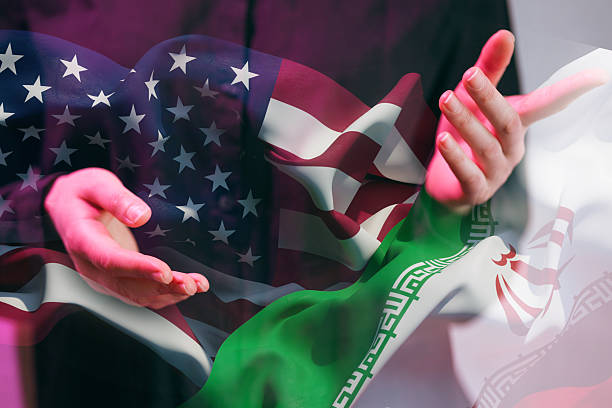

The world in 2026 finds itself once again closely watching the evolving relationship between Iran and the United States. What may seem like a long-standing political rivalry is, in reality, a complex and deeply rooted conflict that has the power to influence global stability, energy markets, and economic conditions across continents.
Iran–US tensions are not just about two nations disagreeing—they represent a broader struggle involving ideology, power, regional influence, and global dominance. From military movements in the Middle East to economic sanctions and cyber warfare, the stakes have never been higher.
For ordinary citizens, especially in countries like India, the effects of this geopolitical friction are tangible—higher fuel prices, economic uncertainty, and increased cost of living. Understanding the dynamics behind this tension is crucial to grasping the bigger global picture.
Historical Background: Decades of Distrust
To truly understand today’s crisis, one must revisit the origins of Iran–US tensions. The relationship was not always hostile. In fact, prior to 1979, Iran was one of the United States’ key allies in the Middle East.
However, the Iranian Revolution changed everything. The overthrow of the Shah and the establishment of an Islamic Republic marked a dramatic shift in Iran’s political and ideological stance. The hostage crisis that followed—where American diplomats were held captive—cemented a deep sense of mistrust.
Over the decades, several flashpoints have worsened relations:
- Iran’s nuclear ambitions
- US-led sanctions crippling Iran’s economy
- Military confrontations in the region
- Competing influence in Middle Eastern politics
Although there have been attempts at reconciliation, such as the 2015 nuclear deal, progress has been inconsistent and fragile.
Key Drivers Behind Rising Tensions in 2026
The current escalation is not random—it is driven by a combination of strategic, political, and economic factors.
1. Nuclear Program Disputes
At the heart of the conflict lies Iran’s nuclear program. While Iran maintains that its intentions are peaceful, the United States and its allies fear the development of nuclear weapons.
This disagreement has led to strict monitoring, negotiations, and, ultimately, sanctions when agreements break down.
2. Economic Sanctions and Pressure
The United States has imposed multiple rounds of sanctions targeting Iran’s economy, particularly its oil exports. These sanctions aim to pressure Iran into compliance but have also led to economic hardship within the country.
For Iran, these sanctions are seen as unjust and aggressive, further deepening hostility.
3. Military Build-Up in Strategic Regions
The Middle East, especially areas like the Persian Gulf, has seen increased military activity. Naval forces, air patrols, and defense systems are being strengthened on both sides.
This buildup creates a tense environment where even minor incidents could escalate into major confrontations.
4. Proxy Conflicts Across the Region
Iran’s involvement with regional groups has added another layer of complexity. These proxy conflicts often bring US interests into indirect confrontation with Iranian-backed forces.
This indirect warfare increases instability and makes the situation harder to control.
Why the Middle East Matters Globally
The Middle East is not just a regional concern—it is central to global energy security. Iran’s strategic position near the Strait of Hormuz makes it a key player in the global oil supply chain.
Nearly a fifth of the world’s oil passes through this narrow route. Any disruption—whether real or anticipated—can cause immediate price spikes and supply concerns.
This is why Iran–US tensions are closely monitored worldwide. The stakes extend far beyond regional politics.
Economic Impact: A Ripple Effect Across the World
Oil Price Volatility
One of the most immediate consequences of rising tensions is the fluctuation in oil prices. Even rumors of conflict can trigger market reactions.
Oil traders factor in risk, and uncertainty often leads to higher prices.
Stock Market Reactions
Global stock markets are highly sensitive to geopolitical instability. Investors tend to move their money into safer assets like gold, causing market fluctuations.
Trade and Supply Chain Disruptions
Sanctions and instability disrupt international trade routes. Businesses face uncertainty, delays, and increased costs, affecting global supply chains.
Impact on India: A Real Concern
India, being one of the largest oil importers, is particularly vulnerable.
Major Effects Include:
- Rising petrol and diesel prices
- Increased inflation
- Higher transportation and logistics costs
- Pressure on government budgets
For Indian households, this translates into higher expenses for everyday essentials.
Military Risks: How Close Is Conflict?
While a full-scale war may not be imminent, the risk cannot be ignored. The presence of armed forces in close proximity increases the likelihood of accidental conflict.
Additionally, cyber warfare and covert operations add a modern dimension to the conflict, making it less predictable.
Even a limited military clash could have serious consequences for global stability.
Diplomacy: Is There Still Hope?
Despite the tensions, diplomatic efforts continue. International organizations and neutral countries are working to bring both sides to the negotiating table.
However, challenges remain:
- Lack of trust
- Political differences
- Changing leadership priorities
Diplomacy offers hope, but progress is slow.
Role of Global Powers
Countries like China and Russia are not just observers—they are active participants in shaping the outcome.
- China prioritizes energy security
- Russia seeks strategic influence
- Europe pushes for diplomatic solutions
This makes the situation even more complex and interconnected.
Possible Future Scenarios
The future of Iran–US tensions could unfold in several ways:
1. Peaceful Negotiations
Renewed agreements could stabilize relations.
2. Ongoing Tensions
A prolonged period of uncertainty without direct conflict.
3. Limited Military Action
Short-term confrontations without escalation.
4. Large-Scale Conflict
A worst-case scenario with global consequences.
Impact on Everyday Life
For common people, the effects are unavoidable:
- Higher fuel costs
- Increased prices of goods
- Economic uncertainty
This highlights how global politics directly affect daily life.
Conclusion
Iran–US tensions in 2026 represent a critical moment in global geopolitics. With economic, military, and political factors all intertwined, the situation remains highly sensitive.
While diplomacy provides a path forward, uncertainty continues to dominate. The world watches closely, aware that the outcome will shape global stability for years to come.

