
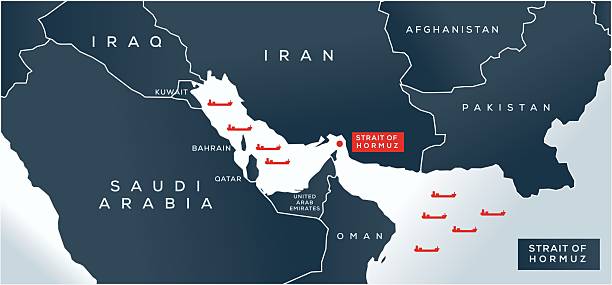

The growing threat of blocking the Strait of Hormuz has once again brought global attention to one of the world’s most critical oil routes. This narrow stretch of water, located between Iran and Oman, plays a vital role in transporting a significant portion of the world’s oil supply.
Any disruption in this region can send shockwaves across global markets, impacting fuel prices, trade, and even political stability. With rising tensions in the Middle East, concerns about a potential blockade are increasing, making it an urgent topic for governments, businesses, and consumers worldwide.
What is the Strait of Hormuz and Why is it Important?
The Strait of Hormuz is one of the most strategically important waterways in the world. It connects the Persian Gulf to the Arabian Sea, serving as a gateway for oil exports from major producers like Saudi Arabia, Iraq, Kuwait, and the United Arab Emirates.
Approximately 20% of the world’s oil supply passes through this narrow passage daily. This makes it a crucial artery for global energy needs.
Because of its geographic location and limited alternative routes, even a temporary disruption can have massive consequences.
Why is There a Threat of Blockade?
The threat of blocking the Strait of Hormuz is primarily linked to geopolitical tensions involving Iran, the United States, and regional allies.
Key Reasons:
- Political conflicts and sanctions
- Military presence in the region
- Disputes over nuclear programs
- Retaliation strategies during conflicts
Iran has, in the past, warned that it could block the strait if its economic or political interests are threatened. While such a move would be extreme, even the possibility creates uncertainty in global markets.
Impact on Global Oil Prices
One of the immediate effects of a blockade would be a sharp increase in oil prices. Since a large portion of global oil supply depends on this route, any disruption creates panic in the market.
What Happens When Supply Drops?
- Oil prices surge rapidly
- Fuel costs increase globally
- Transportation and logistics become expensive
- Inflation rises across economies
Countries heavily dependent on oil imports, such as India and China, would be significantly affected.
Economic Consequences Worldwide
The ripple effects of blocking the Strait of Hormuz go far beyond oil.
1. Inflation and Cost of Living
Higher fuel prices increase the cost of goods and services. Everyday items become more expensive, affecting households worldwide.
2. Impact on Businesses
Industries like aviation, shipping, and manufacturing face rising costs, leading to reduced profits and potential job losses.
3. Stock Market Volatility
Global stock markets often react negatively to geopolitical tensions. Investors move towards safer assets, causing market instability.
Impact on Global Trade
The Strait of Hormuz is not just important for oil but also for international trade.
- Delays in shipping routes
- Increased insurance costs for cargo
- Disruption in supply chains
Countries that rely on Middle Eastern oil exports would need to find alternative routes, which are often longer and more expensive.
Military and Security Implications
A blockade could lead to serious military consequences. The presence of naval forces from multiple countries in the region increases the risk of conflict.
Possible Outcomes:
- Naval confrontations
- Increased military deployment
- Escalation into broader regional conflict
The United Nations and global powers would likely intervene to prevent a prolonged crisis.
Can the Strait Really Be Blocked?
While threats exist, completely blocking the Strait of Hormuz is extremely difficult.
Why?
- Constant monitoring by international naval forces
- Strategic importance ensures global intervention
- Economic consequences for all parties involved
Even Iran itself depends on the strait for its oil exports, making a full blockade unlikely but not impossible.
Alternative Oil Routes and Solutions
Countries have been exploring ways to reduce dependency on the Strait of Hormuz.
Possible Alternatives:
- Pipelines bypassing the strait
- Increased use of renewable energy
- Strategic oil reserves
However, these alternatives cannot fully replace the capacity of the strait in the short term.
What It Means for Everyday People
While the issue may seem distant, it directly affects daily life:
- Higher petrol and diesel prices
- Increased cost of groceries and goods
- Expensive travel and transportation
This shows how interconnected global systems are, where a regional conflict can impact people worldwide.
Conclusion
The threat of blocking the Strait of Hormuz is more than just a regional issue—it is a global concern. As one of the most critical oil routes in the world, any disruption can have far-reaching consequences for economies, politics, and everyday life.
While a complete blockade remains unlikely, the ongoing tensions highlight the vulnerability of global energy systems. It also emphasizes the need for diversification, stability, and international cooperation.
Staying informed about such developments is essential, as they shape the future of global markets and economic stability.

