
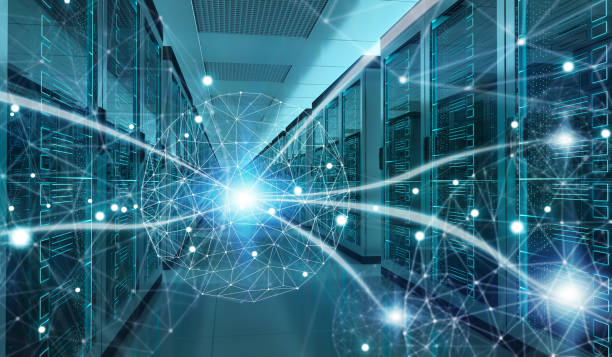

Have you ever wondered where your photos, emails, Netflix streams, and cloud documents actually live? It’s easy to think of “the cloud” as something abstract, but in reality, it’s powered by massive physical facilities known as data centers.
In recent years, the expansion of data centers has accelerated at an unprecedented pace. From tech giants to startups, everyone is relying on digital infrastructure more than ever before. Whether it’s artificial intelligence, remote work, or e-commerce, the world runs on data—and data needs a home.
This blog explores why data centers are expanding so rapidly, what’s driving this growth, and what challenges and opportunities lie ahead.
What Are Data Centers, Really?
At their core, data centers are facilities that house servers, storage systems, and networking equipment. These systems process, store, and distribute data across the internet.
Think of them as the “brains” behind everything digital. Every Google search, every online payment, and every video call relies on data centers working behind the scenes.
But modern data centers are no longer just rows of servers. They are complex ecosystems designed for:
- High-speed connectivity
- Energy efficiency
- Data security
- Scalability
And now, they are expanding faster than ever before.
Why Are Data Centers Expanding So Rapidly?
1. Explosion of Data Consumption
We are living in a data-driven era. Every second, people generate massive amounts of data through:
- Social media
- Streaming platforms
- Online transactions
- IoT devices
This explosion in data creation means more storage and processing capacity is required. As a result, companies are building larger and more advanced data centers.
2. Rise of Cloud Computing
Cloud computing has transformed how businesses operate. Instead of relying on local servers, companies now store data and run applications on cloud platforms.
This shift has led to massive investments in hyperscale data centers by companies like Amazon, Microsoft, and Google.
The more businesses move to the cloud, the greater the demand for data center infrastructure.
3. Artificial Intelligence and Big Data
AI and machine learning require enormous computing power. Training AI models involves processing vast datasets, which can only be handled by powerful data centers.
As AI adoption grows across industries—from healthcare to finance—the need for high-performance data centers continues to rise.
4. Growth of Remote Work and Digital Services
The COVID-19 pandemic accelerated digital adoption worldwide. Remote work, online education, and virtual collaboration became the norm.
Even after the pandemic, these trends have continued, increasing reliance on digital platforms—and by extension, data centers.
5. Expansion of 5G and IoT
With the rollout of 5G networks and the rise of Internet of Things (IoT) devices, data is being generated closer to users than ever before.
This has led to the growth of edge data centers, which process data locally to reduce latency and improve performance.
Types of Data Center Expansion
Not all data center growth looks the same. Here are the main types:
Hyperscale Data Centers
These are massive facilities operated by tech giants. They are designed to scale quickly and handle enormous workloads.
Colocation Data Centers
Businesses rent space in these facilities instead of building their own. This is a cost-effective solution for many companies.
Edge Data Centers
Smaller facilities located closer to users, enabling faster data processing and reduced latency.
Challenges in Data Center Expansion
While growth is booming, it doesn’t come without challenges.
1. Energy Consumption
Data centers consume a significant amount of electricity. As they expand, energy demand continues to rise, raising concerns about sustainability.
2. Environmental Impact
Cooling systems, power usage, and infrastructure development can have environmental consequences. Companies are now under pressure to adopt greener practices.
3. High Costs
Building and maintaining data centers is expensive. Land, equipment, energy, and skilled labor all contribute to high operational costs.
4. Data Security and Privacy
As more data is stored, the risk of cyberattacks increases. Ensuring robust security measures is critical.
Sustainability: The New Priority
One of the most important trends in data center expansion is sustainability.
Companies are now focusing on:
- Renewable energy sources (solar, wind)
- Energy-efficient cooling systems
- Carbon-neutral operations
Tech giants have already committed to reducing their carbon footprints, and this trend is expected to continue.
Opportunities for Businesses and Investors
The expansion of data centers opens up huge opportunities:
For Businesses
- Faster and more reliable digital services
- Scalable infrastructure
- Improved customer experiences
For Investors
- Growing demand means long-term growth potential
- Opportunities in real estate, energy, and technology sectors
What Does the Future Look Like?
The future of data center expansion is exciting and transformative.
We can expect:
- More automation and AI-driven management
- Increased focus on sustainability
- Growth of edge computing
- Expansion into emerging markets
As digital transformation continues, data centers will remain at the heart of global innovation.
Conclusion: Building the Foundation of Tomorrow
Data centers may not be visible to most people, but they are the backbone of our digital lives. Their rapid expansion reflects the growing importance of data in every aspect of modern life.
From powering AI to enabling global connectivity, data centers are shaping the future in ways we are only beginning to understand.
As the world becomes more connected, one thing is clear: the demand for data centers isn’t slowing down anytime soon.

