
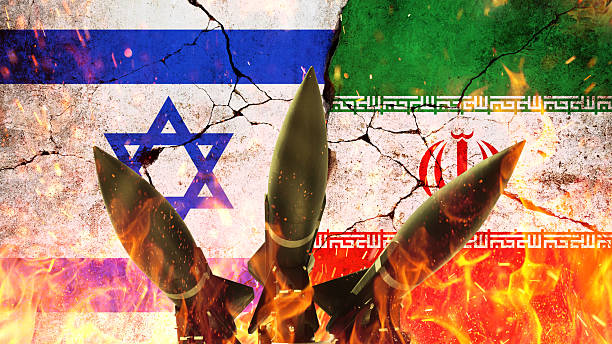

In recent years, tensions between Israel and Iran have become one of the most serious geopolitical issues in the world. With growing military confrontations, missile strikes, and international involvement, many people are asking a critical question: Will the Israel–Iran war trigger World War 3?
Experts and political analysts believe the situation is complex. While the conflict is serious, many factors determine whether it could escalate into a global war. Understanding the background, global alliances, and diplomatic efforts is essential to evaluate the real risk.
Background of the Israel–Iran Conflict
The hostility between Israel and Iran did not begin overnight. It has developed over decades due to political, ideological, and security issues.
Iran has often criticized Israel’s policies in the Middle East, while Israel views Iran’s nuclear ambitions and military activities as a serious threat to its national security. These tensions have led to cyber attacks, proxy wars, and military operations across the region.
The conflict intensified when both countries increased their military presence in neighboring regions such as Syria and Lebanon. These strategic moves have created a fragile environment where even small incidents could lead to larger confrontations.
Why the World Is Concerned About a Global War
The possibility that the Israel Iran war could trigger World War 3 worries many international observers. The main reason is the involvement of powerful global allies.
Israel has strong support from the United States and several Western countries. On the other hand, Iran has partnerships with nations like Russia and maintains influence through regional alliances.
If a direct war between Israel and Iran escalates, it could potentially draw these global powers into the conflict. This is why analysts carefully monitor every development in the region.
However, experts also emphasize that major world powers generally try to avoid a direct global confrontation due to the devastating consequences.
Military Escalation and Strategic Risks
Modern warfare has become more advanced and dangerous. Both Israel and Iran possess sophisticated military capabilities including missile systems, drones, and cyber warfare technology.
If a large-scale conflict breaks out, it could impact critical global resources such as oil supply routes in the Middle East. This would affect global markets and international economies.
Despite these risks, military analysts believe that both sides understand the consequences of a full-scale war. As a result, most confrontations remain limited and strategic rather than escalating into global warfare.
Expert Opinions on World War 3 Risk
Many geopolitical experts believe that while tensions are high, a global war remains unlikely in the near future.
One of the main reasons is diplomatic pressure from international organizations and major countries. The global community recognizes the catastrophic impact a world war would have on humanity.
Additionally, economic interdependence between countries encourages diplomatic solutions instead of military escalation. Nations today are deeply connected through trade and international cooperation.
Experts also point out that regional conflicts often involve negotiations behind the scenes that prevent situations from getting out of control.
The Role of Diplomacy and International Organizations
Diplomatic negotiations play a crucial role in preventing conflicts from escalating. Organizations such as the United Nations and various international alliances often intervene to reduce tensions.
Peace talks, sanctions, and diplomatic agreements are commonly used tools to manage disputes between nations. These mechanisms help maintain balance and encourage dialogue instead of warfare.
While diplomacy may not always resolve conflicts immediately, it significantly reduces the likelihood of a full-scale global war.
Potential Global Consequences
If the Israel–Iran conflict were to expand into a global war, the consequences would be devastating. Economic systems, energy supplies, and international security would all face serious disruptions.
Global markets could experience instability, and millions of people might face humanitarian crises. These risks are precisely why international leaders prioritize preventing escalation.
Understanding these consequences helps explain why countries continue to push for diplomatic solutions rather than military confrontation.
Conclusion
The question “Will the Israel–Iran war trigger World War 3?” remains a topic of intense discussion worldwide. While tensions in the Middle East are serious and complex, most experts believe that a global war is unlikely in the immediate future.
Strong diplomatic efforts, economic connections, and the understanding of catastrophic consequences all play a role in preventing escalation. However, the situation still requires careful monitoring as geopolitical dynamics continue to evolve.
Maintaining peace in such a sensitive region requires cooperation, dialogue, and responsible leadership from all nations involved.

